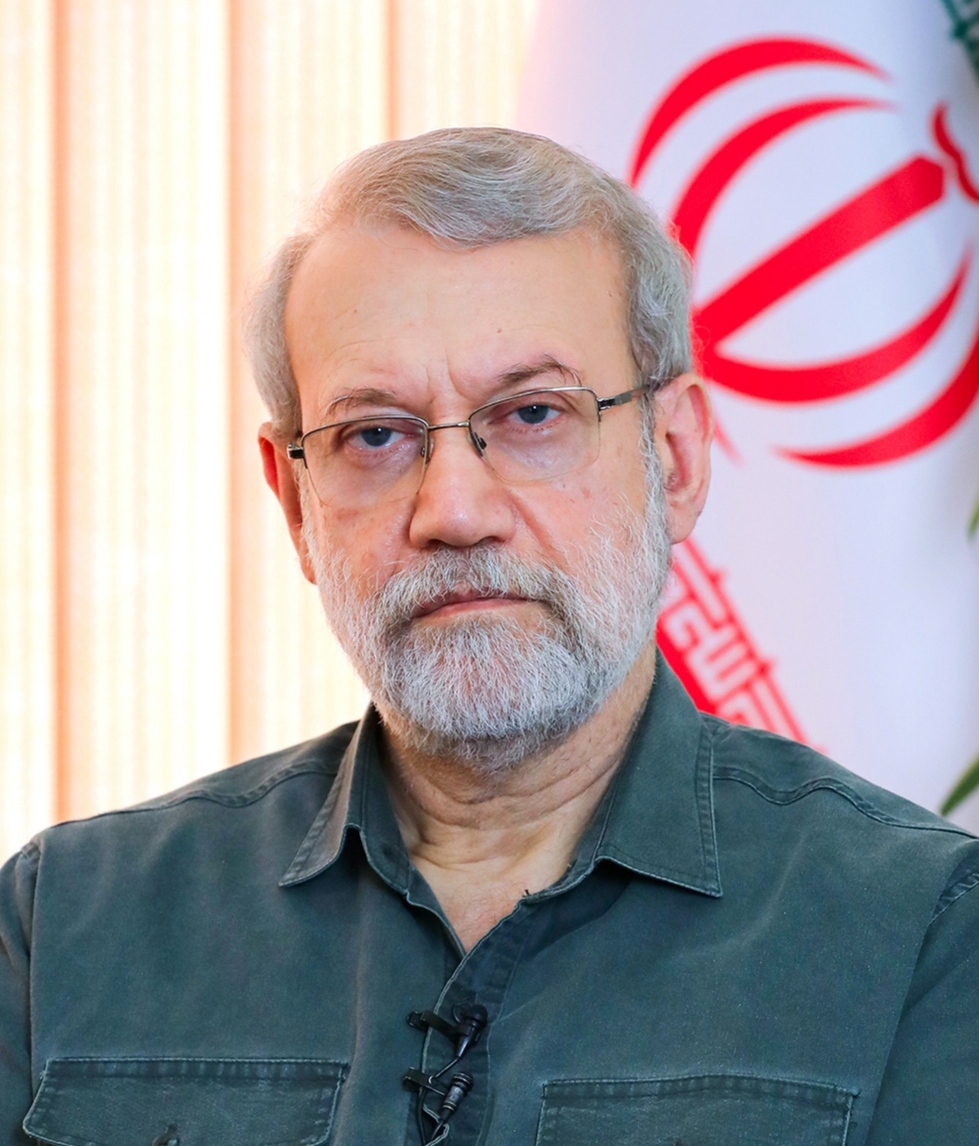
The geopolitical landscape of the Middle East has been irrevocably altered following the dramatic events surrounding the passing of Ayatollah Ali Khamenei and subsequent US-Israel strikes. In the ensuing power vacuum, one figure has emerged as the unequivocal frontrunner, seizing the reins of power with an assertive and uncompromising posture: Ali Larijani. Once perceived as a pragmatic negotiator, Larijani has rapidly transformed into the embodiment of Iran’s hardened stance, signaling a potentially radical shift in the nation’s governance and international relations. His ascent to prominence underscores a pivotal moment, as a hardline security figure appears poised to steer Iran into an era defined by intensified confrontation and a more militarized state.
From Scholar to Hardliner: The Evolution of Ali Larijani
For decades, Ali Larijani cultivated an image almost antithetical to the fiery rhetoric he now espouses. Born in Najaf in 1958 into a prominent clerical family, his early career hinted at a more measured approach to governance. He began his journey in public service as Deputy Minister of Labour and Social Affairs, steadily climbing the administrative ladder. A significant turning point came in 1994 when he was appointed head of the Islamic Republic of Iran Broadcasting (IRIB), a powerful position he held for a decade. This role allowed him to shape national discourse and build a formidable network, providing him with a deep understanding of Iran's internal dynamics and media manipulation.
His reputation as a seasoned statesman was further solidified by his tenure as Supreme National Security Council (SNSC) secretary, a role he assumed in 2005. During this period, Larijani was directly responsible for Iran's sensitive nuclear negotiations, often engaging with Western powers. It was a time when he was viewed as a more moderate voice, a figure capable of nuanced diplomacy, even writing books on the 18th-century German philosopher Immanuel Kant. This intellectual depth suggested a leader capable of strategic thought beyond mere ideological adherence. Yet, the intensifying crisis with the United States, particularly from 2025 onwards, coupled with the critical events surrounding Khamenei’s death, appears to have hardened his resolve.
The dramatic shift in Larijani’s public persona became starkly evident on March 1st, just 24 hours after the deadly US-Israeli air strikes that claimed the lives of Supreme Leader Ayatollah Ali Khamenei and IRGC commander Mohammad Pakpour. Larijani took to X (formerly Twitter) – a platform notably restricted for most Iranian citizens – to issue a scathing declaration: “Today we will hit them with a force that they have never experienced before.” This aggressive tone, a stark contrast to his earlier diplomatic demeanor, signaled an irrevocable departure from his past image as a pragmatic negotiator and ushered in the era of Larijani the hardliner.
Consolidating Power: Larijani's Ascent in a Shifting Iran
The sudden power vacuum created by Khamenei’s death presented an unprecedented opportunity for Ali Larijani to assert his influence. Despite not being among the clerics on Khamenei’s traditional shortlist for succession – a role historically reserved for a religious figure – Larijani's strategic positioning within the Supreme National Security Council proved decisive. While a three-person interim committee officially assumed leadership of the Islamic Republic, it is widely understood that the true center of larijani iran macht (Larijani Iran power) remains concentrated within the SNSC, effectively led by him.
His influence has demonstrably eclipsed that of the official President, Masoud Pezeshkian. In recent months, Larijani has not only taken the lead on the international arena but also domestically. A critical aspect of his consolidation of power has been his unflinching response to internal dissent. He was among the earliest and most vocal proponents within Iran’s leadership for a brutal crackdown on the widespread political demonstrations that erupted late last year. These protests, fueled by a deepening economic crisis, marked the largest uprising since the 1979 Islamic Revolution and were met with deadly violence. According to Iran International, as many as 30,000 people are believed to have been killed by the regime in the current year, a grim testament to the hardline approach Larijani advocates.
This unprecedented rise of a non-clerical, security-focused figure challenges long-held assumptions about the continuity of clerical rule in Iran. Experts now widely regard Larijani not just as a plausible contender for the country’s leadership but as someone who could fundamentally reshape its governance model, pushing it towards an even more militarized and security-centric state. His control over the SNSC, combined with his decisive actions on both the domestic and international fronts, solidifies his position as Iran's new power broker. To understand the full scope of his influence, consider reading Iran's New Power Broker: Ali Larijani's Grip Amid US-Israel Crisis.
The New Geopolitical Landscape: Larijani's Stance and Future Implications
Ali Larijani’s aggressive rhetoric has not abated since his initial pronouncements. Over the crucial weekend following Khamenei’s death, as the interim committee took charge, he continued to denounce any suggestions of renewed nuclear talks with the Trump administration. “We will not negotiate with the United States,” he declared unequivocally, dismissing President Trump’s statements about the unfolding war as “delusional fantasies.” This resolute refusal to engage in dialogue signals a significant departure from Iran’s previous diplomatic overtures, even during periods of high tension.
His pledge to “burn their hearts” and make “the Zionist criminals… shamele[ss]” underscores a commitment to retribution against the US and Israel. This stance aligns with the interim leadership’s broader vow of vengeance. The implications of Larijani’s leadership for regional and global stability are profound. A militarized model of governance, as experts predict he will implement, suggests an escalation of Iran’s confrontational foreign policy, potentially leading to increased proxy conflicts, heightened military spending, and a more aggressive posture in the Strait of Hormuz and other strategic waterways.
Practical insights into this new era include:
- No immediate return to nuclear diplomacy: Larijani's firm stance indicates that any hopes for a quick revival of nuclear negotiations are unlikely under his watch.
- Increased regional tensions: Expect proxy groups supported by Iran to become more active, potentially leading to wider instability across the Middle East.
- Focus on internal security: The brutal crackdown on protests signals a priority on maintaining internal order through force, suppressing any form of dissent.
- Technological and military self-reliance: Iran will likely double down on developing indigenous military capabilities and circumventing sanctions to bolster its defenses.
The transformation of Larijani from a cerebral negotiator to a defiant avenger is not merely a change in personality but a reflection of a fundamental shift in Iran's strategic outlook. This shift, driven by perceived external aggression and internal consolidation of power, positions Iran on a collision course with its adversaries. To delve deeper into this transformation, read From Negotiator to Avenger: Ali Larijani's New Iran Strategy.
Beyond Clerical Rule: A New Era for Iranian Leadership?
One of the most significant aspects of Ali Larijani’s rise is how it upends the long-held tradition of clerical rule in Iran. Khamenei’s meticulously prepared shortlist of successors consisted entirely of religious figures, underscoring the formal requirement for a cleric to hold the supreme leadership. However, the extraordinary circumstances – the sudden death of the Supreme Leader combined with the intensity of US-Israeli aggression – have created a unique window for a non-clerical, albeit deeply entrenched, security figure like Larijani to seize control. This development could mark a profound institutional shift, potentially redefining the balance of power between religious and military/security establishments within the Islamic Republic.
Larijani's background, while connected to a clerical family, is primarily administrative and security-focused rather than purely religious. His authority stems from his long tenure in strategic state positions and his command within the SNSC, rather than explicit religious jurisprudence. This could pave the way for a more technocratic or even militaristic form of governance, where security considerations take precedence over theological interpretations in policy-making. While the facade of clerical oversight may remain, the real levers of power would reside with figures like Larijani, potentially altering the very fabric of the Islamic Republic.
Conclusion
Ali Larijani’s emergence as the dominant force in post-Khamenei Iran marks a critical juncture for the nation and the broader international community. His dramatic evolution from a seemingly pragmatic negotiator who engaged with Western philosophy to an uncompromising hardliner vowing vengeance reflects the profound pressures and strategic recalibrations within the Islamic Republic. With the dynamic of larijani iran macht firmly established, Iran appears set on a trajectory of heightened confrontation, both domestically through intensified crackdowns and internationally through a refusal to negotiate and a commitment to a militarized foreign policy. The world watches closely as this formidable figure reshapes Iran’s future, signaling an era of potentially increased instability and significant geopolitical challenges.